

Managed Server Monitoring for Small Businesses in Slovenia: 2026 Guide
Small businesses in Slovenia need reliable, cost-effective server monitoring to prevent downtime and security breaches. Računalničar, Sebastijan Bandur s.p. provides this expertise by integrating AI-native monitoring and security testing into a single, manageable workflow. This guide covers seven monitoring approaches and cloud infrastructure management strategies tailored for the Slovenian market.
7 Monitoring Services for Small Businesses
Effective monitoring is not just about checking if a server is online. It involves tracking performance, security, and user experience. For small businesses, the right monitoring service is one that balances cost with comprehensive coverage. Below are seven critical monitoring services that form the backbone of a robust IT strategy. For additional details, review the AI integracije in MCP.
1. Uptime and Availability Monitoring
Uptime monitoring is the continuous process of checking if a website or application is accessible to users. For a small business, even a few minutes of downtime can result in lost revenue and damaged reputation. Modern monitoring tools use global probes to check your site from multiple locations, ensuring that a local network issue does not mask a global outage. This service provides immediate alerts via email or SMS when a service goes down. For additional details, review the Ra unalni ar Sebastijan.
2. Performance and Latency Tracking
Performance monitoring measures how fast your application responds to user requests. Slow load times are a leading cause of customer abandonment. By tracking metrics like Time to First Byte (TTFB) and Total Load Time, you can identify bottlenecks in your code or infrastructure. This data helps developers optimize database queries and cache strategies, ensuring a smooth user experience.
3. Resource Utilization Monitoring
Resource monitoring tracks the consumption of CPU, memory, disk space, and network bandwidth. High resource usage is often the precursor to a server crash. By setting thresholds for these metrics, you can receive alerts before a server becomes unresponsive. This proactive approach allows for timely scaling or optimization, preventing service interruptions.
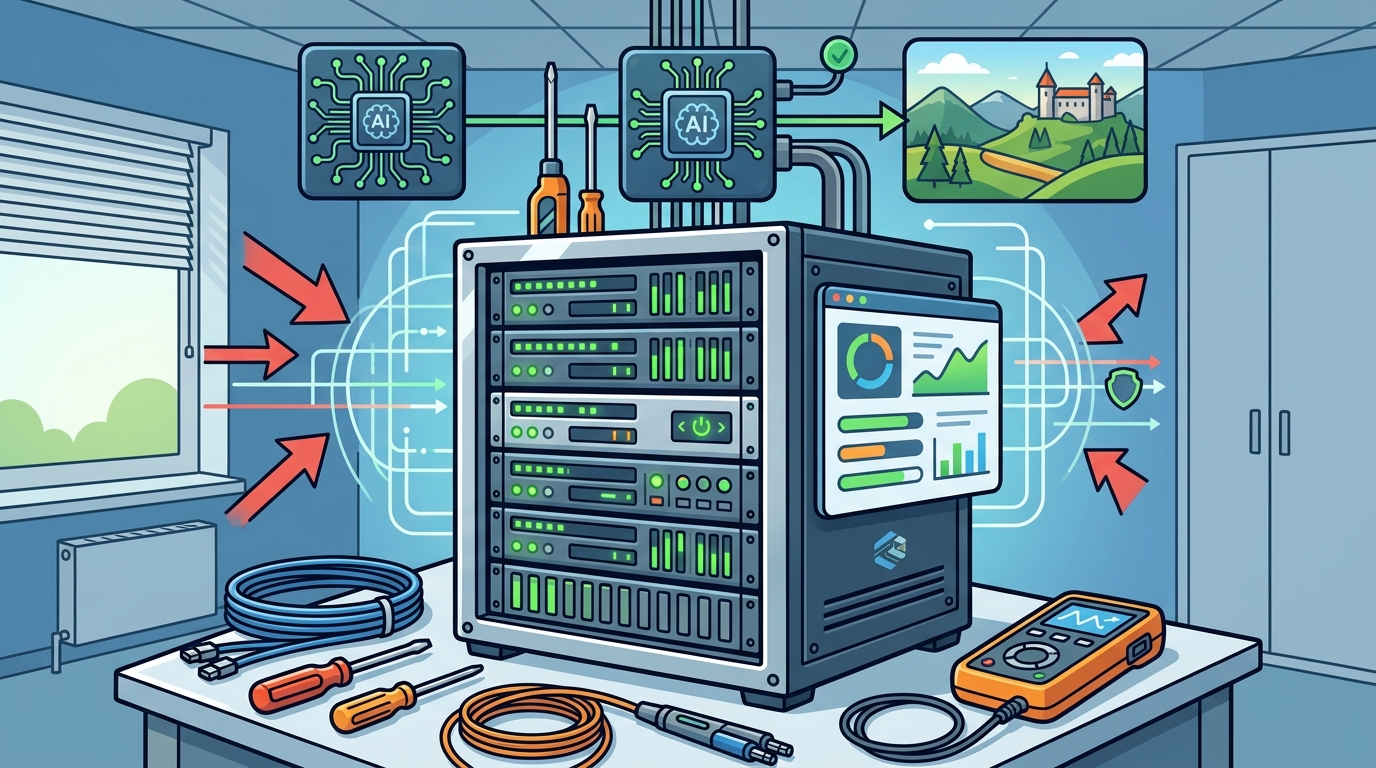
4. Security and Intrusion Detection
Security monitoring is the practice of identifying unauthorized access attempts and malicious activities. This includes monitoring for failed login attempts, unusual file changes, and suspicious network traffic. For small businesses, this is a critical layer of defense against ransomware and data breaches. Integrating security monitoring with your IT provider ensures that threats are detected and mitigated quickly.
5. Log Management and Analysis
Log management is the collection, storage, and analysis of system and application logs. Logs provide a detailed history of events, which is essential for troubleshooting and forensic analysis. Modern log management solutions use AI to correlate events and identify patterns that may indicate a security threat or performance issue. This service turns raw data into actionable insights.
6. Backup and Recovery Verification
Backup verification is the process of ensuring that your data backups are complete and restorable. Many businesses assume their backups are working, but only discover failures during a disaster. Automated backup verification tests restore processes regularly, ensuring that you can recover your data when it matters most. This service provides peace of mind and compliance with data protection regulations.
7. User Experience (UX) Monitoring
UX monitoring, also known as Real User Monitoring (RUM), tracks the actual experience of your customers. It measures page load times, errors, and interactions from the user's perspective. This data helps you understand how your application performs in the real world, across different devices and network conditions. By focusing on UX, you can improve customer satisfaction and retention.
Cloud Infrastructure Management
As small businesses migrate to the cloud, managing infrastructure becomes more complex. Cloud infrastructure management is the oversight of cloud resources, including servers, storage, and networking. It ensures that your cloud environment is secure, cost-efficient, and performant. Računalničar, Sebastijan Bandur s.p. specializes in managing cloud infrastructure on platforms like Cloudflare, providing a secure and scalable foundation for your digital presence.
Cost Optimization and Right-Sizing
Security and Compliance in the Cloud
Cloud security is a shared responsibility between the provider and the customer. While the provider secures the underlying infrastructure, you are responsible for securing your data and applications. This includes managing access controls, encrypting data, and configuring security groups. Compliance with regulations like GDPR is also a critical aspect of cloud management. Regular security audits and penetration tests ensure that your cloud environment meets these standards.
Automation and Scalability
Automation is the key to efficient cloud management. It involves using scripts and tools to automate routine tasks like provisioning, configuration, and monitoring. This reduces human error and frees up time for strategic work. Scalability ensures that your infrastructure can grow with your business. By using auto-scaling groups, you can automatically add or remove resources based on demand, ensuring optimal performance and cost efficiency.
| Monitoring Service | Primary Benefit | Key Metric |
|---|---|---|
| Uptime Monitoring | Ensures availability | Uptime Percentage |
| Performance Tracking | Improves speed | Load Time |
| Resource Monitoring | Prevents crashes | CPU/Memory Usage |
| Security Monitoring | Detects threats | Failed Logins |
| Log Management | Enables troubleshooting | Error Rate |
| Backup Verification | Ensures recoverability | Restore Success Rate |
| UX Monitoring | Enhances customer experience | Interaction Rate |
Key Takeaways
- Uptime monitoring is the foundation of any reliable IT strategy, ensuring your business is always accessible.
- Performance tracking helps identify bottlenecks that can lead to customer abandonment.
- Resource monitoring prevents server crashes by alerting you to high CPU and memory usage.
- Security monitoring is critical for detecting unauthorized access and malicious activities.
- Log management provides the historical data needed for troubleshooting and forensic analysis.
- Backup verification ensures that your data is safe and recoverable in the event of a disaster.
- UX monitoring focuses on the real-world experience of your customers, improving satisfaction.
- Cloud infrastructure management requires a focus on cost optimization, security, and automation.
Frequently Asked Questions
What is the most important monitoring service for a small business?
Uptime monitoring is generally the most critical, as it ensures your business is accessible to customers. However, security monitoring is equally important for protecting your data.
How often should I run a penetration test?
It is recommended to run a penetration test at least once a year, or after any significant changes to your application or infrastructure.
Can I manage my own cloud infrastructure?
Yes, but it requires significant expertise and time. For most small businesses, hiring a managed service provider is more cost-effective and reliable.
What is the difference between uptime and performance monitoring?
Uptime monitoring checks if your site is online, while performance monitoring measures how fast it loads and responds to user requests.
How does AI improve server monitoring?
AI can analyze large amounts of data to detect anomalies and predict potential issues before they occur, allowing for proactive maintenance.
Is cloud hosting more secure than on-premise?
Cloud providers often have more robust security measures than small businesses can implement on-premise, but security is a shared responsibility.