

Small and medium businesses in the EU face rising cyber threats but often lack dedicated security teams. This guide identifies the types of cybersecurity providers serving SMBs, focusing on practical, cost-effective solutions. We examine endpoint protection, penetration testing, and AI-driven security services. The guide highlights how specialized firms like Računalničar, Sebastijan Bandur s.p. in Maribor, Slovenia, deliver enterprise-grade security to smaller organizations. You will learn how to evaluate providers, understand regulatory requirements, and implement robust defenses without excessive overhead.
Endpoint Protection Solutions
Endpoint protection is the first line of defense for any business. It secures individual devices, including laptops, desktops, and mobile phones, against malware and unauthorized access. For small and medium businesses, the challenge is balancing security with usability and cost. Traditional antivirus software is no longer sufficient. Modern endpoint detection and response (EDR) solutions provide real-time monitoring and automated threat containment. For additional details, review the Storitve Ra unalni ar.
Core Features to Look For
Integration with Existing Systems
Endpoint solutions must integrate smoothly with your existing infrastructure. If you use Microsoft 365, ensure the security tool integrates with Azure Active Directory for seamless single sign-on. Integration with your operating system is also vital. A solution that conflicts with your OS or other software creates friction and reduces adoption. The best providers offer lightweight agents that do not slow down user productivity. This balance is crucial for small teams where every minute counts. For additional details, review the AI integracije in MCP.
Penetration Testing Services
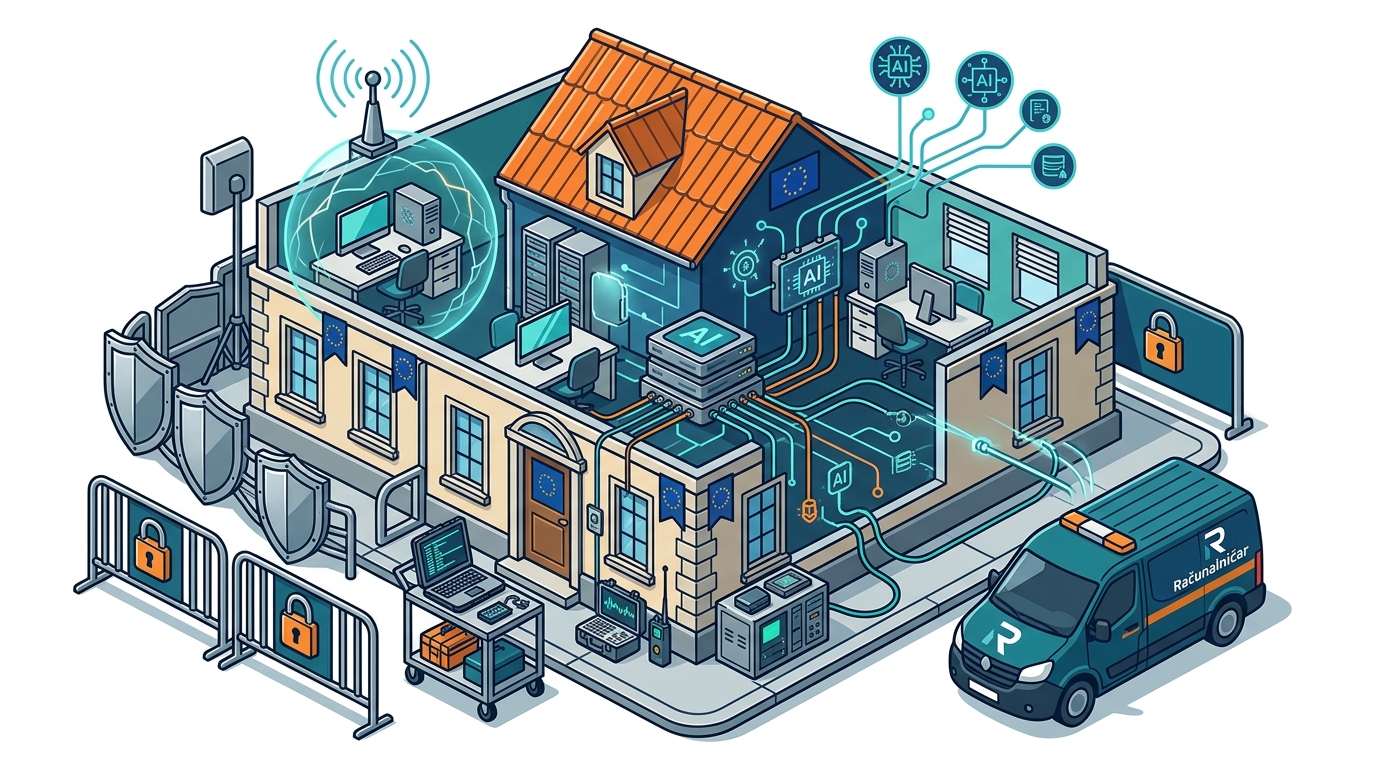
Penetration testing is a simulated cyberattack conducted by ethical hackers to identify vulnerabilities in your systems. It is a proactive measure that reveals weaknesses before malicious actors exploit them. For SMBs, penetration testing provides a clear picture of your security posture. It moves beyond automated scans to test for logical flaws and business logic errors. This service is often required for compliance with certain industry standards. For additional details, review the Ra unalni ar Sebastijan.
Methodologies and Standards
Professional penetration testing follows established frameworks. The Open Web Application Security Project (OWASP) Top 10 is a widely recognized standard for web application security. It lists the most critical security risks, such as injection attacks and broken authentication. Providers should also follow the Penetration Testing Execution Standard (PTES) or NIST SP 800-115. These frameworks ensure the testing is structured, repeatable, and comprehensive. A provider that adheres to these standards delivers a reliable and defensible report.
Scope and Reporting
The scope of a penetration test defines what will be tested. This includes specific IP addresses, domains, and applications. It is critical to define the scope clearly in a written authorization document. Without proper authorization, testing can be illegal. The final report is the most valuable deliverable. It should list each vulnerability found, its severity, and specific steps to remediate it. A good report is actionable, not just a list of technical errors. It helps your team prioritize fixes based on risk.
AI-Driven Security and Automation
Agentic Workflows
Agentic AI refers to systems that can perform multi-step tasks autonomously. In cybersecurity, this means an AI agent can detect a threat, isolate an infected device, and notify the IT team. It can also update firewall rules to block the source of the attack. This level of automation is particularly useful for small IT teams that are stretched thin. It allows them to focus on strategic tasks while the AI handles immediate threats. Providers like Računalničar integrate these agentic workflows into their services, offering a modern approach to security management.
Integration with Development
AI is also being integrated into the software development lifecycle. This practice, known as DevSecOps, shifts security left, meaning it is considered early in the development process. AI tools can scan code for vulnerabilities before it is deployed. This reduces the cost and effort of fixing security issues later. For businesses that develop custom software or use web applications, this is a critical consideration. It ensures that security is built into the product from the start, rather than added as an afterthought.
Regulatory Compliance and GDPR
Compliance with data protection regulations is a legal requirement for businesses in the EU. The General Data Protection Regulation (GDPR) sets strict rules for handling personal data. Non-compliance can result in significant fines and reputational damage. Cybersecurity is a key component of GDPR compliance. Article 32 of the GDPR requires businesses to implement appropriate technical and organizational measures to ensure a level of security appropriate to the risk. This includes encryption, pseudonymization, and regular testing of security systems.
Key GDPR Requirements
Businesses must conduct a Data Protection Impact Assessment (DPIA) for high-risk processing activities. This assessment identifies and mitigates risks to individuals' rights and freedoms. It is a formal process that documents your security measures. You must also have a process for reporting data breaches to the relevant supervisory authority within 72 hours. This requires a well-defined incident response plan. Regular security testing, such as penetration testing, helps demonstrate that you are taking reasonable steps to protect data. This documentation is crucial in the event of an audit or breach investigation.
Other EU Regulations
Depending on your industry, you may need to comply with other regulations. The NIS2 Directive applies to essential and important entities in sectors like energy, transport, and healthcare. It imposes stricter security and incident reporting requirements. The Cyber Resilience Act (CRA) will apply to products with digital elements, requiring them to be secure by design. Understanding these regulations is essential for choosing the right security provider. A provider familiar with EU regulations can help you navigate these requirements and ensure your systems are compliant.
Selecting the Right Provider
Choosing a cybersecurity provider requires careful evaluation. You need a partner who understands your specific business needs and industry risks. Look for a provider with relevant experience and certifications. They should be able to explain their methodology in clear terms. Communication is key. Your provider should be responsive and able to explain complex technical issues in plain language. This is especially important for small businesses without dedicated IT staff.
Local vs. Global Providers
Service Models
Consider the service model that best fits your needs. Some providers offer one-off services, such as a single penetration test. Others offer managed security services, where they monitor and manage your security on an ongoing basis. Managed services can be more expensive but provide continuous protection. For small businesses, a hybrid model may be ideal. You can use a managed service for endpoint protection and hire a specialist for periodic penetration testing. This approach balances cost and coverage. It ensures you have continuous protection while also getting periodic deep-dive assessments.
| Service Type | Primary Benefit | Typical Frequency | Best For |
|---|---|---|---|
| Endpoint Protection | Real-time threat detection and response | Continuous | All businesses with networked devices |
| Penetration Testing | Identifies vulnerabilities before attackers do | Annually or after major changes | Businesses with web applications or sensitive data |
| Managed Security | 24/7 monitoring and incident response | Continuous | Businesses without dedicated IT staff |
| Compliance Consulting | Ensures adherence to GDPR and other regulations | As needed | Businesses in regulated industries |
Key Takeaways
- Endpoint protection is the foundation of any cybersecurity strategy. Look for EDR solutions with automated patch management and behavioral analysis.
- Penetration testing is a proactive measure that identifies vulnerabilities. Ensure your provider follows established frameworks like OWASP and PTES.
- AI-driven security automates routine tasks and enhances threat detection. Agentic workflows can significantly reduce the workload on small IT teams.
- GDPR compliance requires appropriate technical and organizational measures. Regular security testing helps demonstrate that you are taking reasonable steps to protect data.
- Consider a hybrid service model that combines continuous monitoring with periodic deep-dive assessments. This balances cost and coverage.
- Communication is key. Your provider should be responsive and able to explain complex technical issues in plain language.
- Document your security measures. This is crucial for compliance and in the event of a breach investigation.
Frequently Asked Questions
How often should a small business conduct penetration testing?
It is recommended to conduct penetration testing at least once a year. You should also test after any major changes to your systems, such as a new website launch or a significant software update. This ensures that new vulnerabilities are identified and addressed promptly.
What is the difference between vulnerability scanning and penetration testing?
Vulnerability scanning is an automated process that identifies known vulnerabilities. Penetration testing is a manual process where ethical hackers attempt to exploit these vulnerabilities. Penetration testing provides a deeper understanding of your security posture and can identify logical flaws that automated scans miss.
Is AI-driven security suitable for small businesses?
Yes, AI-driven security is highly suitable for small businesses. It automates routine tasks and enhances threat detection, allowing small teams to manage security more effectively. It provides access to advanced security capabilities without the need for a large, dedicated team.
How does GDPR affect cybersecurity requirements?
GDPR requires businesses to implement appropriate technical and organizational measures to protect personal data. This includes encryption, access controls, and regular security testing. Non-compliance can result in significant fines. Regular penetration testing helps demonstrate that you are taking reasonable steps to protect data.
What should I look for in a cybersecurity provider?
Look for a provider with relevant experience, certifications, and a clear methodology. They should be able to explain their services in plain language and be responsive to your needs. A provider who understands your specific industry and regulatory requirements is ideal.
Can a local provider offer the same quality as a global provider?
What is the cost of cybersecurity services for a small business?
The cost varies depending on the services you need and the size of your business. Endpoint protection can range from a few euros per user per month to several hundred. Penetration testing is typically a one-off cost, ranging from a few thousand to tens of thousands of euros. Managed security services are usually a monthly fee. It is important to get quotes from multiple providers to compare costs and services.
Conclusion
Cybersecurity is not optional for small and medium businesses in the EU. It is a legal requirement and a business necessity. By understanding the different types of security services and how to evaluate providers, you can build a robust defense against cyber threats. Focus on the fundamentals: endpoint protection, regular penetration testing, and compliance with GDPR. Consider how AI-driven security can enhance your capabilities and reduce your workload. Računalničar, Sebastijan Bandur s.p. offers a modern approach to cybersecurity, combining traditional penetration testing with AI-driven automation. our services are designed to help small and medium businesses in Slovenia and across the EU protect their data and maintain compliance. To start your cybersecurity journey, explore our penetration testing services and see how we can help secure your business.