

Penetration Test Pricing Models
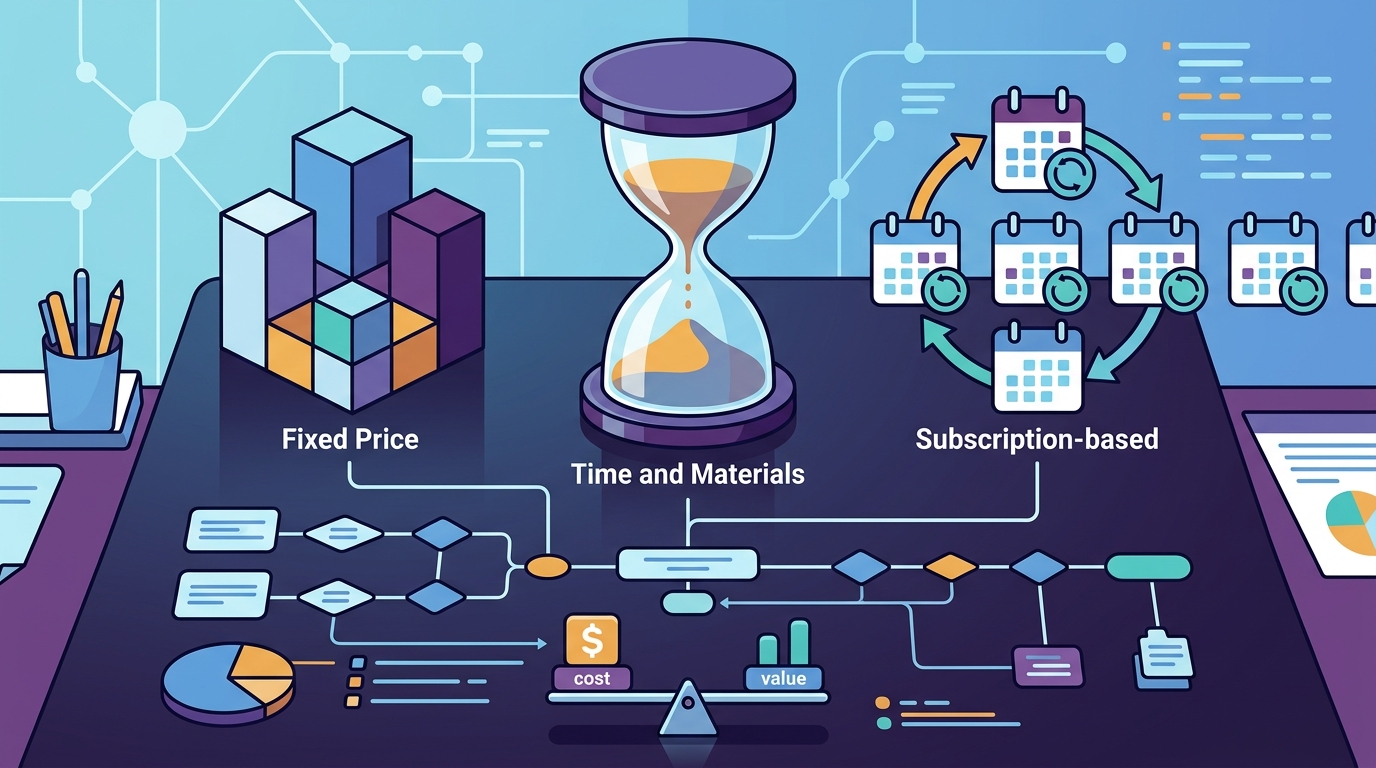
Understanding how security firms structure their pricing is the first step to budgeting for a penetration test. Most providers use one of three primary models: fixed price, time and materials, or subscription-based. Each model has distinct advantages and risks for small businesses with limited IT budgets. For additional details, review the Storitve Ra unalni ar.
Fixed Price Engagements
Time and Materials
Subscription and Retainer Models
Subscription models provide continuous security monitoring and periodic testing for a monthly fee. This approach spreads the cost over time and ensures ongoing coverage. It is ideal for businesses that release software frequently or operate in highly regulated industries. The total annual cost is often lower than paying for discrete, one-off projects. For additional details, review the Ra unalni ar Sebastijan.
| Pricing Model | Typical Cost Range | Best For | Risk Profile |
|---|
Scope Factors That Affect Cost
The scope of a penetration test is the single largest driver of cost. Scope defines what systems, applications, and data are included in the assessment. A small business might have a simple marketing website, while another might operate a complex e-commerce platform with a custom API. The difference in cost between these two scenarios can be significant. For additional details, review the AI integracije in MCP.
Number of Endpoints and Applications
Each distinct application or API endpoint adds to the testing effort. A static website with five pages requires far less testing than a dynamic web application with user authentication, payment processing, and an admin dashboard. Security teams must test every unique user role and permission level. This multiplies the number of test cases exponentially.
Technology Stack Complexity
The underlying technology stack influences the difficulty of the test. Modern frameworks like React, NestJS, and PostgreSQL require specific expertise to test effectively. If your application uses custom authentication logic or non-standard APIs, the testing team will need more time to understand the system. This expertise often commands a higher hourly rate.
Regulatory and Compliance Requirements
Businesses operating in regulated industries often face higher costs due to specific reporting requirements. Standards like PCI DSS, ISO 27001, and GDPR Article 32 may require detailed documentation and specific testing methodologies. The final report must be formatted to satisfy auditors, which adds to the deliverable cost. In Slovenia, specific legal frameworks like KZ-1 Article 221 also mandate written authorization for testing, adding a layer of administrative overhead.
Testing Depth Levels
Testing depth refers to how much internal knowledge the security team has about your system before they begin. This is commonly categorized into black-box, gray-box, and white-box testing. The level of access directly impacts the thoroughness of the test and the final price.
Black-Box Testing
Black-box testing simulates an external attacker with no prior knowledge of the system. The tester starts from the outside and attempts to find vulnerabilities through public information and active probing. This is the most realistic simulation of a real-world attack. It is often the most expensive per hour because it requires the most time to map the attack surface.
Gray-Box Testing
White-Box Testing
White-box testing gives the security team full access to the source code, architecture diagrams, and threat models. This allows for a deep dive into the logic of the application. It is the most thorough approach and is recommended for critical applications where a single vulnerability could be catastrophic. The cost is higher due to the specialized skills required to analyze code.
Key Takeaways
- Scope definition is the most critical step in controlling costs.
- Complex technology stacks and custom APIs increase testing time and cost.
- Regulatory compliance requirements can add significant reporting overhead.
- Gray-box testing often provides the best balance of cost and coverage.
- Written authorization is a legal requirement in many jurisdictions, including Slovenia.
- Continuous testing via subscription models can reduce annual costs for frequent releases.
Frequently Asked Questions
How long does a penetration test take?
A standard web application penetration test typically takes between 3 to 10 business days. The duration depends on the complexity of the application and the depth of testing required. Black-box tests generally take longer than white-box tests for the same application.
Do I need a penetration test if I am not in a regulated industry?
Yes. Even without regulatory requirements, a penetration test helps identify vulnerabilities that could lead to data breaches. It demonstrates due diligence to customers and partners. It is a proactive measure to protect your business reputation and data.
What is the difference between a vulnerability scan and a penetration test?
A vulnerability scan is an automated process that identifies known weaknesses. A penetration test is a manual, in-depth assessment where a human expert attempts to exploit those weaknesses. Scans are cheaper and faster but provide less insight into actual exploitability.
How often should a small business conduct a penetration test?
It is recommended to conduct a penetration test at least once a year. If you make significant changes to your application or infrastructure, you should test again. Businesses with frequent release cycles may benefit from quarterly or continuous testing.
Can I use the penetration test report for insurance purposes?
Many cyber insurance providers require a recent penetration test report as part of the underwriting process. Having a professional report from a certified provider can help you secure coverage and potentially lower your premiums.
What happens if the test finds critical vulnerabilities?
The provider will deliver a detailed report with remediation recommendations. They will often provide a retest after you have fixed the issues to verify the fixes. This retest is usually included in the initial scope or offered at a discounted rate.
Conclusion
Budgeting for a penetration test requires a clear understanding of your scope, technology stack, and compliance needs. By choosing the right pricing model and testing depth, you can align security spending with your business goals. Računalničar, Sebastijan Bandur s.p. provides specialized security assessments in Maribor, Slovenia, combining traditional IT expertise with AI-native workflows. To plan your security assessment, start your pentest brief today.